
Christmas celebrations in Spain are very extensive and surrounded by a lot of festivities and strong traditions.
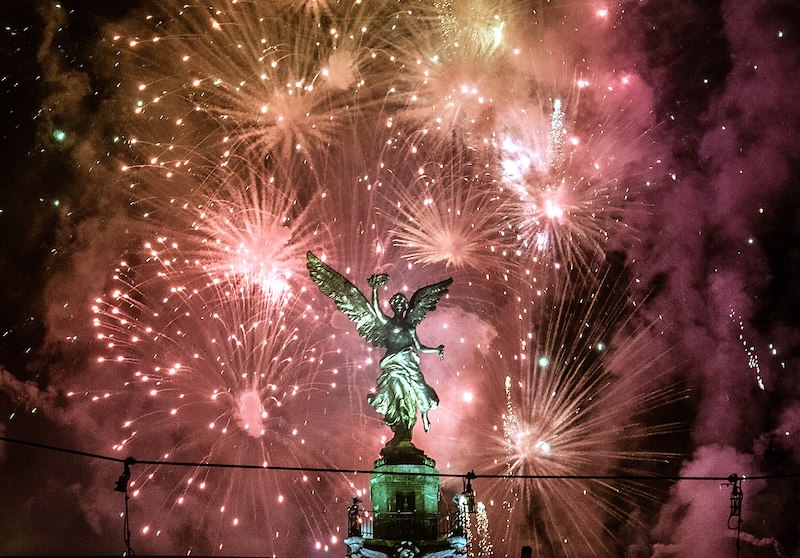
Europe's largest lottery, the Spanish Christmas Lottery, on December 22 can be said to be the starting point for the Spanish celebration of the Christmas holiday.
Christmas Eve is a weekday in Spain, but people rarely work all day. Christmas dinner is eaten late, around nine or ten in the evening. Then people party, play, dance and sing religious but fun Christmas songs with their family all evening, often well into the night. Christmas Day is, for understandable reasons, a red day… But in most places in the country, people are up and working again as early as Boxing Day.
Christmas presents are traditionally distributed on Epiphany, which is the day when the three wise men arrived to the baby Jesus with their gifts. However, it has become increasingly
It is becoming more common in Spain to also start handing out Christmas presents on Christmas Eve (preferably with Santa Claus) or on Christmas Day as is done in the rest of Europe.
Some fun Christmas gift ideas for 2025 for both boys and girls.
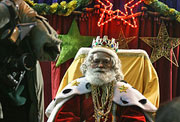
The Three Wise Men, or the Three Kings, are called Los Reyes Magos, and they leave the packages for children on the night of Epiphany. Just as we put out some treats for the plot the Spaniards put out liqueur, Christmas candy and other treats for the Three Wise Men and their camels. All over Spain, January 5th is celebrated with big parades and festivals as Los Reyes Magos moves through the country with their gifts.
The Spanish Christmas tree is adorned with gold baubles and lots of bright twinkling lights. Another important detail in the Christmas celebration is the nativity scene with surroundings that can be quite advanced in some places.
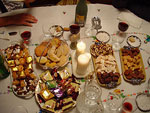
Spanish Christmas food varies depending on the region you are in, but turkey, shellfish, fish and pork are important elements on most menus. Jamon ham is also a staple throughout the Christmas celebrations. Spanish Christmas candy is called Turrón, which is a form of nougat that is prepared in several different variations. Marzipan in various forms is also common as a Christmas candy in Spain.
New Year's Eve in Spain is a big event that is celebrated at big parties with friends and acquaintances. If Christmas is celebrated at home with the family, the Spaniards go out of their houses during the New Year to celebrate together, and the big tradition is that for every hour of the day (starting twelve seconds before the clock strikes twelve) until the stroke of twelve, they eat a grape! Instead of champagne, they drink the Spanish drink Cava.
Calendar of Christmas celebrations in Spain – overview
- December 8th is Red Day, when people celebrate Immaculate (the Immaculate Conception) which begins the Christmas season in earnest in Spain (especially in Seville).
- December 21st is celebrated, at least in some cities, as the shortest day of the year with Bonfires (firewood).
- December 22nd is the big day Christmas lottery that makes all of Spain gather in front of the radio or TV.
- December 24th is Christmas Eve (meaning good night) and people gather and eat lots of treats, which are often washed down with Spanish wine.
- On December 25th, many children receive a small gift (some already receive it on the 24th), but most have to wait until January 6th.
- December 28th is the day for Innocent Saints (holy spirits), which can be likened to April Fool's Day when many people joke with each other in different ways (including the media).
- December 31st is NocheVieja and there is a great festive atmosphere throughout the country.
- January 1 It is red day, and many people use it as a day of rest.
- January 5 processions are held all over Spain, and sweets are thrown from the large processions to the children watching. Each city and region has its own version of this celebration. For example, in Sierra Nevada you can see the three wise men skiing down the slopes.
- January 6th is the time for the children's big day, Three Kings Day, the day the three wise men arrived in Bethlehem with gifts for the baby Jesus. The Christmas presents are already there, in most cases, waiting for the children when they wake up in the morning. Santa Claus may have already left a small Christmas present earlier during Christmas, but the Spanish children's favorite among the wise men is Baltasar, who rides a donkey and distributes gifts. It is a tradition that the three wise men ride around different cities in Spain all day and distribute gifts to children who are in hospital.
- January 7 The children return to school, and the adults have no more red days to look forward to for a while (although that's not too bad for them, as Spain has the most red days in the Western world).