
In this article, we wanted to take a look at Spain ahead of 2014 by analyzing the numbers and taking a look at the biggest events of the year.
The conservative government (People's Party, PP) is quite frayed at the edges after three long years of austerity and a series of scandals involving elected officials (including the Prime Minister, Mariano Rajoy). About the Spanish housing market in 2014.
Although things are starting to look brighter on many fronts, the government is not out of the dark period yet. The Spanish economy is still dependent on international support and the economy is expected to shrink again in the first half of the year, before finally entering a growth period that lasts for several quarters in a row. A growth period is usually preceded by a brightening of the housing market and it has certainly done so this year. A few weeks ago, figures came out that house prices had even increased by 0.9 percent (Overall, however, they have fallen by almost 50 percent since the crisis escalated.) However, it will take several years before several other sectors in the country recover.
At the same time, it should not be forgotten that the reforms have improved competitiveness (among other things, there will be fewer public holidays in the country during the year), and the current account deficit has been eliminated. Growth is around the corner and unemployment is peaking. In other words, the government can count on surviving the year.
Other clouds of worry In the Spanish sky, the demands of the separatist movements in both the Basque Country and Catalonia are expected to grow from a whisper to a storm during the year. However, most analysts believe that this storm, as usual, will eventually die down. It would cost too much for both regions to break away from Spain.
This is what the Spaniards are talking about in 2014
 Of course, Catalonia and the Basque Country and the still high unemployment will be discussed. But what will really be discussed with great passion in the Spanish coffee shops are “La Roja”, the Spanish national football team heading to Rio to defend their 2010 World Cup title. The Spaniards have already managed to defend two European Championships in a row, defending the World Cup would make this generation of Spanish footballers truly immortal. However, judging by last year's poor results, it looks like this will be too difficult a task.
This is happening in Spain in 2014
Every self-respecting village has its own festival, and they're all amazing in their own way. But let's take a look at some of the festivals and carnivals that deserve a little extra attention throughout the year:
- Epiphany (after the plot has returned to the North Pole, the three wise men appear in Spain to celebrate the birth of Jesus and the whole country celebrates this) takes place on January 6th.
- The Vila de Cruces Chorizo Festival is a celebration for sausage lovers. Visit Villa de Cruces on February 1st for a food festival you won't soon forget.
- Holy Week in Valencia takes place from April 13-19. During these days, the locals dress up as characters from the Bible and reenact several major biblical events. Dancing, singing and food are obvious ingredients in this very Catholic event.
- Las Cruces de Mayo, the time when all the inhabitants of Granada dancing and singing along streets adorned with beautiful flower arrangements takes place in May. Clearly one of Spain's most appreciated events.
- The Running of the Bulls in Pamplona takes place between July 6th and 14th.
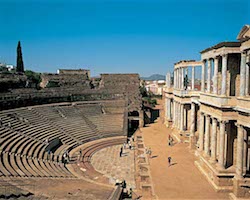
- If you like classical theatre, then visit the “little Rome”, Merída, which performs epic works at the UNESCO-protected Roman theatre between July 4 and August 24. This theatre week is an annual tradition that is attracting increasing international attention.
- Tomatina, the tomato throwing festival, takes place in Bunol on August 27th. New this year is that you must have a ticket (plus a new tax has been introduced) to participate. All to avoid the increasing chaos during the festival. But it's fun!
Spain in figures 2014
- GDP growth: 0.3%
- GDP per capita: $28,410 (PPP: $32,610)
- Inflation: 0.9%
- Budget balance (% of GDP): -6.8
- Population: 46.7 million
- Source: The economist.
Read also: introduction to Spain.